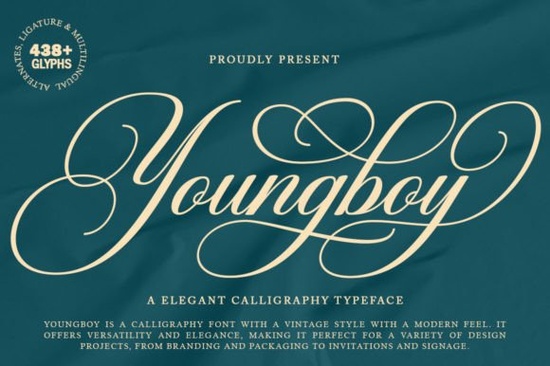
Finding the right script typeface can make or break a design project. If you are working on wedding invitations, boutique branding, or elegant packaging, the Youngboy Font offers a beautiful mix of vintage calligraphy and modern readability. It features smooth, clean lines with fancy letter connections that give it a feminine and glamorous feel. Whether you are a print-on-demand seller creating custom mugs or a small business owner designing your own product labels, this typeface provides the classic decorative copper script look without sacrificing legibility.
What makes this calligraphy typeface stand out for branding?
When building a brand identity, the typography you choose sets the immediate tone. This typeface brings a highly detailed, elegant style that feels both classic and contemporary. The letters flow together with beautiful changing characters and ligatures, mimicking the natural movement of a physical pen. Because it avoids the overly messy look of some hand-lettered styles, it remains highly legible even at smaller sizes. If your brand leans more toward a rustic or country aesthetic, you might also explore a rustic handwritten style for your secondary text to create a nice visual contrast.
How can crafters and small businesses use this script in their projects?
The versatility of this font makes it a reliable tool for a wide range of creative tasks. It works exceptionally well for formal and semi-formal applications where a touch of class is needed. Here are a few practical ways to incorporate it into your work:
- Wedding and event stationery: Use it for the names of the couple on invitations, place cards, and welcome signs.
- Product packaging: Apply it to cosmetic labels, candle jars, or artisan food wrappers to give a premium, handcrafted feel.
- Retail signage and menus: Highlight daily specials or store names on chalkboards and printed menus.
- Apparel and merchandise: Print short, impactful quotes or brand names on tote bags, t-shirts, and hats.
For seasonal projects, pairing it with a festive holiday typeface can create stunning gift tags and seasonal promotions that stand out in a crowded market.
Is it easy to read on printed materials and merchandise?
One of the biggest challenges with script fonts is readability, especially when printed on textured materials or viewed from a distance. This typeface solves that problem by keeping the core letterforms simple and clean. The fancy connections are decorative but do not obscure the actual letters. When designing quick, casual merchandise like stickers or phone cases, you might want to contrast it with a fast, casual script for subheadings to create a clear visual hierarchy and ensure your customers can read the text instantly.
What software and file formats do you need to get started?
To get the most out of the changing characters and decorative swashes, you will need to use design software that supports OpenType features. Programs like Adobe Illustrator, Adobe Photoshop, and Affinity Designer allow you to access the alternate glyphs panel. If you are using simpler tools like Canva, you will still get the beautiful standard ligatures, but you might miss out on some of the custom swashes. If you are designing digital planners or school materials, a neat educational script might be a better fit for the body text, saving this elegant font for the cover titles and main headers.
How do you pair it with other typefaces for a balanced layout?
Because this calligraphy style is highly decorative and carries a lot of visual weight, it pairs best with very simple, understated fonts. A clean, geometric sans-serif or a classic, minimal serif works perfectly for the body copy. This prevents the design from looking cluttered. For a more playful, artistic contrast in your mood boards or social media graphics, try mixing it with a hand-drawn sketch style to balance the formal elegance with a relaxed, approachable vibe.
Quick Checklist for Your Next Design Project
Before you finalize your artwork and send it to the printer, run through this quick checklist to ensure your typography looks its best:
- Check the tracking: Never manually adjust the letter spacing on connected script fonts, as it will break the natural flow of the ligatures.
- Test the print size: Print a physical proof at the actual size to ensure the thin hairlines of the calligraphy do not disappear on the paper.
- Limit your usage: Use this font strictly for headlines, logos, or short quotes. Avoid using it for long paragraphs of text.
- Enable OpenType features: Double-check that standard ligatures and contextual alternates are turned on in your software settings for the most natural look.
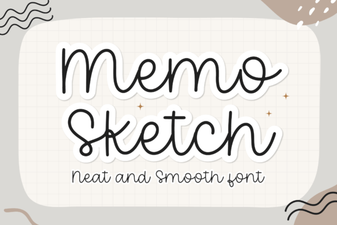 Memo Sketch Font for Creative Design Projects
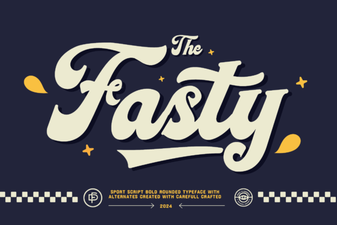 Fasty Font: Design-Friendly Web Typography
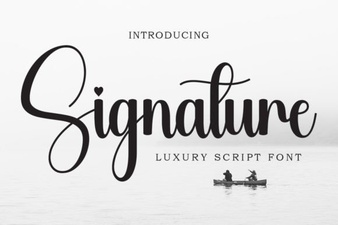 Signature Fonts for Personal Style & Creative Projects
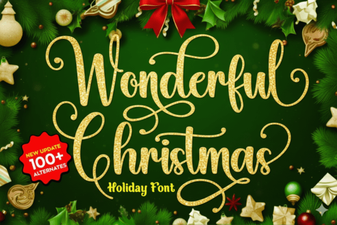 Beautiful Christmas Fonts for Your Holiday Designs
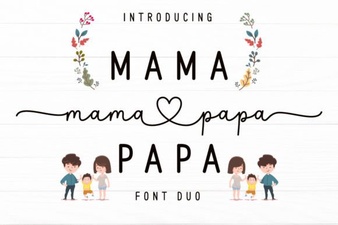 Mama Papa Duo Font: Dual-Family Creative Projects
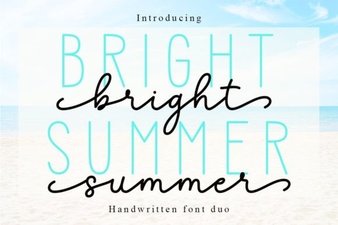 Bright Summer Duo Font: Design & Pairing Guide