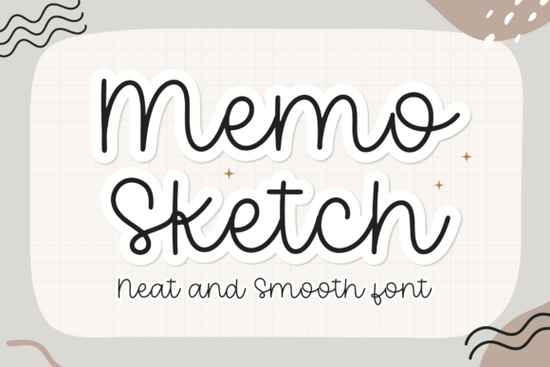
Finding the right typeface for a personal project or a small business brand can take hours of scrolling through endless options. If you need something that feels approachable and friendly, Memo Sketch is a sweet, handwritten option that mimics natural penmanship. It works beautifully for crafters making physical goods, designers drafting wedding suites, and print-on-demand sellers creating everyday apparel. The slightly uneven baseline and relaxed letterforms give it an authentic, off-the-cuff feel without looking messy or unprofessional.
What projects work best with a cute handwritten style?
Handwritten typefaces shine when you want to add a personal, human touch to physical and digital items. Because this specific font has a playful yet neat structure, it is highly versatile across different mediums. It avoids the overly dramatic swashes found in some script fonts, making it much easier to apply to everyday designs.
- Wedding stationery: Use it for RSVP cards, menu headers, table numbers, or acrylic welcome signs.
- Apparel and tote bags: Print-on-demand sellers can use it for short, catchy quotes, local city names, or simple graphics on t-shirts and canvas bags.
- Scrapbooking and card making: Crafters will find it perfect for Cricut or Silhouette cutting machines when making custom greeting cards or paper flowers.
- Product packaging: Small businesses can use it for thank-you notes, care instruction cards, or custom stickers included in shipping boxes.
How do you pair this font with other typefaces?
A common mistake in typography is using too many decorative fonts at once, which quickly clutters the design. To keep your layouts clean, pair this cute script with a simple sans-serif or a highly readable serif for your body text. If you are designing a formal wedding invitation, you might want to contrast it with something more elegant for the main names. For instance, you could look into a more traditional calligraphy style for the couple's names and use the handwritten font for the date, time, and venue details.
For family-oriented projects, like a baby shower invite, a nursery wall art print, or a parent-focused blog header, combining it with a playful matching duo can create a cohesive, friendly look. If you are working on a seasonal product line, pairing it with a bolder brush typeface helps create a strong visual hierarchy. The thick brush font acts as the main headline, while the lighter handwritten text serves as a supporting subheading.
Is this typeface easy to read on social media and small prints?
Legibility is always a valid concern with decorative fonts. While highly stylized scripts can become completely unreadable when scaled down, this particular typeface maintains clear, distinct letterforms even at smaller sizes. This makes it an excellent choice for Instagram stories, Pinterest pins, or Facebook ads where text needs to be quickly read on mobile screens. Just ensure you use high-contrast colors, like dark charcoal text on a cream background, to keep it easily readable.
However, avoid using it for long paragraphs or dense blocks of text. Stick to short phrases, quotes, or headers. If you need a font for an actual signature on a digital contract, a personalized email sign-off, or a photography watermark, you might be better off searching for a realistic signature alternative that mimics a quick, fluid pen stroke. Similarly, for botanical or nature-themed stationery, you might want to test it alongside a delicate floral-inspired typeface to see which better fits your specific aesthetic.
What software and cutting machines support this format?
Most downloadable fonts come in standard OTF and TTF formats, which are universally supported across operating systems. You can install them directly on your computer and access them in Adobe Illustrator, Photoshop, Canva, or Procreate. For crafters using vinyl cutters, the clean edges of this font mean it will weed easily. There are no overly thin, fragile lines that will tear during the weeding process, making it highly practical for physical crafting.
Quick checklist before exporting your design
- Check the kerning (letter spacing) manually, as handwritten fonts sometimes need slight adjustments to look completely natural.
- Convert your text to outlines or paths before sending the final file to a commercial printer to avoid missing font errors.
- Test the design at its actual physical size on your screen to ensure it remains readable from a normal viewing distance.
- If cutting heat transfer vinyl, do a small test cut on a scrap piece of material to confirm the blade depth and pressure are correct for the letter thickness.
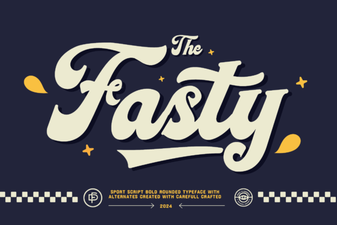 Fasty Font: Design-Friendly Web Typography
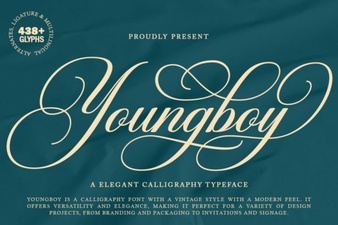 Design a Logo with the Youngboy Font
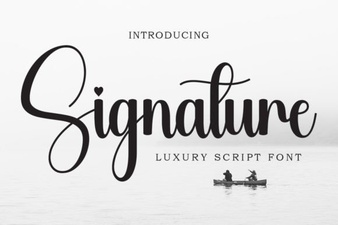 Signature Fonts for Personal Style & Creative Projects
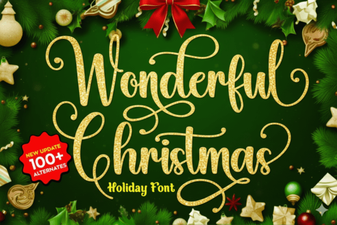 Beautiful Christmas Fonts for Your Holiday Designs
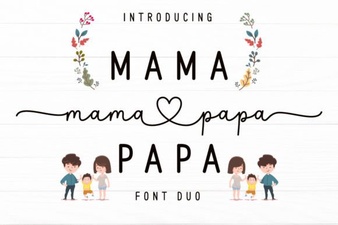 Mama Papa Duo Font: Dual-Family Creative Projects
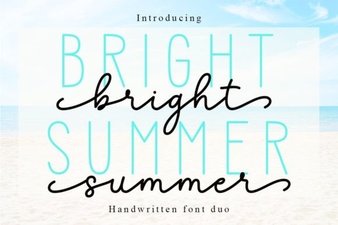 Bright Summer Duo Font: Design & Pairing Guide