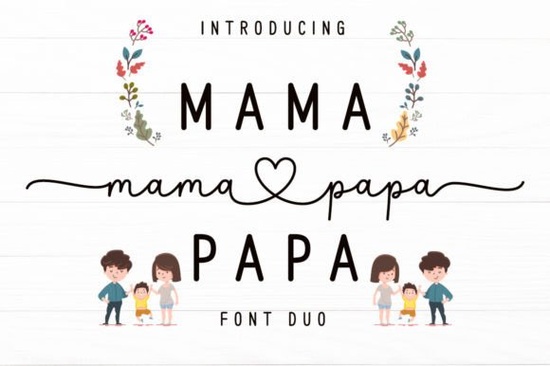
Finding the right handwritten typeface often means balancing readability with a touch of personality. When you are working on romantic or casual projects, you need lettering that feels personal without looking messy. The Mama Papa Duo Font offers a beautifully intertwined set of cursive options that solve this exact problem. It gives you a soft, delicate appeal that works wonderfully for everything from wedding stationery to casual brand logos.
Designers and crafters often struggle to find scripts that look natural rather than overly rigid. This particular duo brings a sprightly, romantic allure to the table. Whether you are setting up a new boutique brand or making heartfelt greeting cards, having a reliable cursive option saves you hours of tweaking and adjusting individual letters.
What makes a good handwritten typeface for wedding and branding projects?
Wedding invitations and boutique logos require a specific mood. You want the text to feel elegant but still approachable. A good script should have smooth connections between letters and consistent stroke weights. If the letters are too tangled, your guests or customers will have a hard time reading the names or brand details, which defeats the purpose of the design.
This duo provides that effortless charm. The flowing lines mimic real penmanship, which adds a human touch to your designs, especially when used for foil stamping or embossing on thick cardstock. If you are looking for something with a bit more traditional structure for a formal event, you might also explore clean, traditional penmanship to see how different stroke styles change the overall mood of an invitation.
How can small businesses and crafters use this typeface?
Print-on-demand sellers and small business owners need versatile assets. You cannot use the exact same lettering for a baby onesie and a high-end fashion lookbook. The beauty of a dual-font package is that it gives you variations to match different product lines without losing your core brand identity.
- Apparel and Merch: Use the softer cursive for minimalist t-shirt designs, tote bags, or embroidered hats.
- Paper Goods: Apply the romantic style to wedding suites, baby shower invites, and thank-you cards.
- Social Media: Create engaging quotes or promotional graphics that stand out in a busy feed without looking overly corporate.
If your brand targets a younger, more energetic demographic, you might want to contrast this delicate style with edgy handwritten styles for specific streetwear collections. On the other hand, if you are designing for seasonal sales, pairing it with cheerful seasonal lettering can make your summer promotions pop and feel more festive.
Which design software works best with cursive fonts?
Most modern design programs handle standard OTF and TTF files perfectly. If you are using Adobe Illustrator or Photoshop, you can take advantage of OpenType features like swashes and alternates, assuming the designer included them. These extra glyphs let you customize the beginning and ends of words for a more custom, hand-drawn look.
For crafters using cutting machines like Cricut or Silhouette, it is crucial to weld your letters together before cutting. If you do not weld the cursive connections, the machine will cut through the continuous lines, ruining the vinyl decal. Canva users can also upload these files directly to their brand kit for quick access across all social media templates, while iPad hobbyists can use them in Procreate for digital scrapbooking.
How do you pair script fonts with other typefaces?
Pairing is where many beginners get stuck. The golden rule is to let the script be the star. Because cursive lettering is highly decorative, you should pair it with a very simple, clean sans-serif or a classic serif for your body text to maintain visual balance.
Avoid using two scripts together, as they will compete for attention and make the design look cluttered. If your main heading uses a flowing cursive, your subheadings and paragraphs should use something highly legible. If you need a deeply emotional vibe for a specific campaign, you could test deeply romantic calligraphy as an alternative header, but always keep the supporting text minimal. For bolder, more expressive projects, incorporating thick, expressive brush strokes in a completely different section of your layout can create a nice visual hierarchy without clashing. If you want to study the typographic details of the Mama Papa Duo, looking at professional design blogs can help you understand how to balance its delicate strokes with heavier elements.
What should you check before finalizing your design?
Before you send your file to the printer or upload it to your storefront, run through this quick checklist to ensure your typography is flawless.
- Check readability: Step back and look at the design from a distance. Can you easily read the main message without squinting?
- Verify letter spacing: Ensure no letters are awkwardly overlapping or spaced too far apart, especially in all-caps or mixed-case words.
- Test on different backgrounds: Make sure the thin strokes of the cursive do not disappear against busy, textured, or dark backgrounds.
- Weld for cutting: If using a vinyl cutter, double-check that all connecting lines are merged into a single path to prevent slicing errors.
- Proofread carefully: Always have a second person read the text. It is very easy to miss a typo when you are heavily focused on the visual layout and kerning.
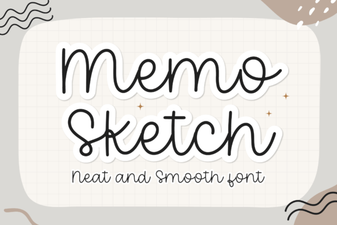 Memo Sketch Font for Creative Design Projects
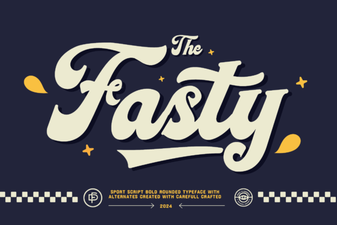 Fasty Font: Design-Friendly Web Typography
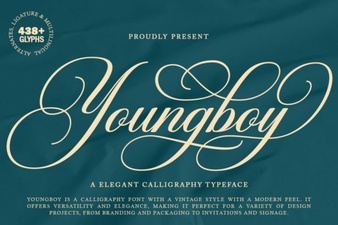 Design a Logo with the Youngboy Font
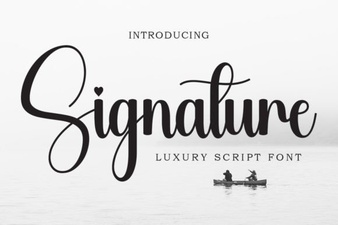 Signature Fonts for Personal Style & Creative Projects
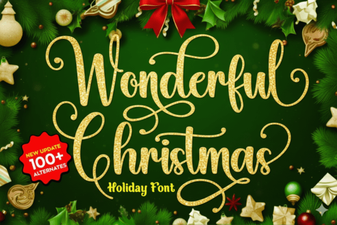 Beautiful Christmas Fonts for Your Holiday Designs
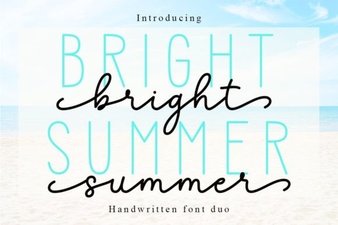 Bright Summer Duo Font: Design & Pairing Guide