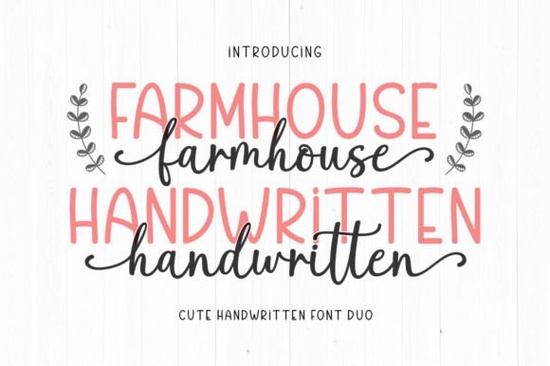
Finding the right typography for rustic or cozy designs often means looking for a balance between elegance and readability. The Farmhouse Handwritten Font offers exactly that balance. It is a smooth, charming duo designed to give your projects a personal, handcrafted feel without sacrificing legibility. Whether you are designing wedding invitations, creating social media graphics, or setting up a new logo for a small business, having a reliable script and sans-serif pairing saves time and keeps your branding consistent across all your visual materials.
What makes a good font duo for farmhouse projects?
A successful typography pairing usually combines a decorative script with a clean, simple supporting text. When you use a duo, the primary script catches the eye, while the secondary font handles the smaller details like dates, addresses, or subheadings. This specific combination works beautifully for rustic themes and vintage-inspired layouts. If you are also exploring other styles for your design toolkit, you might want to look at a bright and cheerful lettering set for your seasonal promotions. Having a few distinct pairings on hand ensures you always have the right mood for your current project.
How can print-on-demand sellers use handwritten fonts?
Print-on-demand relies heavily on eye-catching typography. Shoppers browsing for coffee mugs, canvas tote bags, or nursery wall art are often drawn to designs that feel personal and warm. Smooth script lettering mimics the look of hand-painted signs or custom calligraphy, which adds perceived value to physical products.
- Apparel: Use the script for the main phrase and the clean sans-serif for smaller text under the collar or on the sleeve.
- Home Decor: Wooden signs and canvas prints benefit from the rustic charm of handwritten styles, especially when printed on natural textures.
- Drinkware: Wrap shorter quotes around mugs using the curved script to fit the cylindrical shape naturally without distorting the letters.
If your store focuses on family-oriented gifts, pairing this style with a playful family-themed typeface can help you expand your product catalog quickly and appeal to a broader customer base.
Which projects work best with smooth script lettering?
Not every project needs a heavy, textured brush font. Sometimes, a smooth and elegant flow is much more effective. This style is highly versatile for both digital and physical branding. Small businesses often use it for product packaging, thank-you cards, and custom stickers to build a memorable brand identity.
For digital creators, Instagram quotes and Pinterest pins require fonts that are easy to read on small mobile screens. A clean script ensures your message is clear even when scaled down, provided you use good color contrast. If you prefer a slightly more relaxed, casual vibe for your social media templates, a quick and breezy lettering option might be a great alternative to keep in your folder. Additionally, content creators making romantic or wedding content often lean toward a soft and romantic script style to match the emotional tone of their visuals.
What should you check before installing a new typeface?
Before you start designing, it is always smart to review the technical details of your download. Checking the file formats and licensing terms upfront prevents frustrating roadblocks later in your workflow.
- File Formats: Ensure the download includes OTF and TTF files, which are standard for most design software like Illustrator, Canva, and Cricut Design Space.
- Licensing: Verify if the license covers commercial use, especially if you plan to sell physical products or use the design for client work.
- Alternates and Ligatures: Check if the font includes swashes or alternate characters to customize the ends of your words for a more custom look.
For those who enjoy a slightly more masculine or bold aesthetic in their typography collections, adding a strong and edgy brush style to your library gives you more flexibility when designing for different target audiences.
Quick checklist for your next lettering project
- Test the script font at different sizes to ensure the thin lines do not disappear when printed on fabric or paper.
- Use the secondary sans-serif font for any text smaller than 12 points to maintain readability on mobile devices and small tags.
- Convert your text to outlines or paths before sending the final file to a commercial printer or vinyl cutting machine.
- Check the kerning manually, as some letter combinations in script fonts require slight spacing adjustments to look perfectly connected.
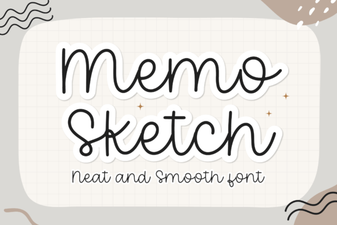 Memo Sketch Font for Creative Design Projects
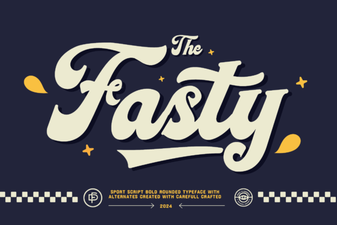 Fasty Font: Design-Friendly Web Typography
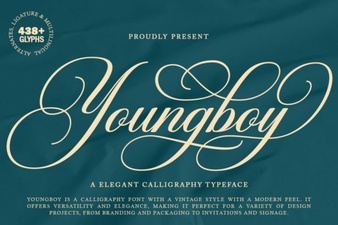 Design a Logo with the Youngboy Font
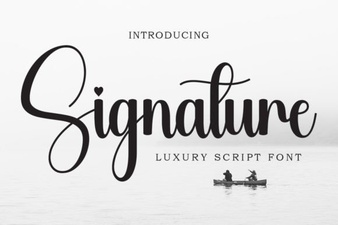 Signature Fonts for Personal Style & Creative Projects
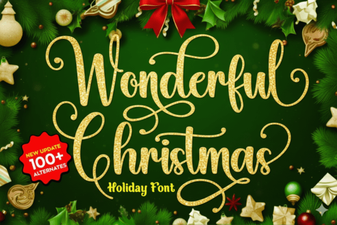 Beautiful Christmas Fonts for Your Holiday Designs
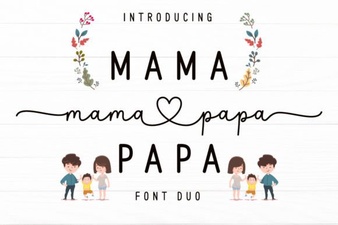 Mama Papa Duo Font: Dual-Family Creative Projects