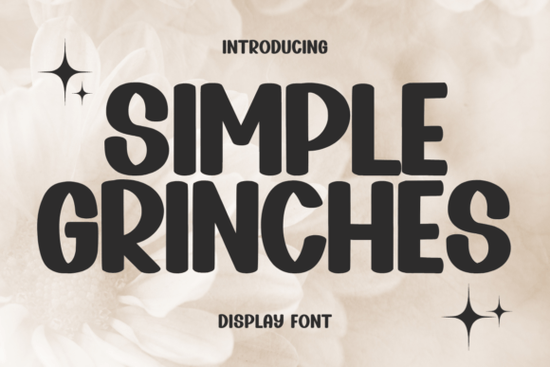
Finding the right typography for a holiday project or a quirky branding campaign can take hours of scrolling through endless libraries. If you need something that balances playful character with clean readability, the Simple Grinches Font is a highly practical choice for your next design. It falls squarely into the display fonts category, meaning it is built to grab attention at larger sizes rather than serving as standard body text. Crafters, print-on-demand sellers, and small business owners often look for this specific balance when designing seasonal merchandise, greeting cards, or eye-catching social media graphics. The goal is always to stand out without looking messy.
What makes this typeface work for seasonal and novelty designs?
When you are designing winter apparel or festive mugs for an online shop, legibility is just as important as the overall aesthetic. This typeface offers a slightly whimsical feel without sacrificing the clean lines needed for quick reading. The letterforms are distinct and carry a touch of elegance, making them highly readable on both dark and light backgrounds. While some designers might prefer bolder, more rugged options like a thick jungle style for outdoor-themed gear or camping merchandise, this particular font shines in settings that require a bit more refinement. It gives your projects a polished, timeless style that appeals to a wide audience, avoiding the overly chaotic look that some novelty typefaces suffer from.
How do you pair it with other typography?
Pairing display typefaces with the right secondary font is crucial for a balanced, professional layout. Because this font has a lot of personality, it works best when paired with a very simple, neutral sans-serif or a classic, understated serif for your subheadings and body copy. If your main heading uses this whimsical style, keep the supporting text minimal and clean.
For example, if you are working on a poster and want to contrast it with something highly structured, you might look at a regal, structured typeface for your secondary headers to create a nice visual hierarchy. On the other hand, if you are designing a retro-style t-shirt, you might want to experiment with a warped, vintage layout to give the whole design a nostalgic, seventies feel. For projects that require a complete matching set right out of the box, exploring a cohesive font duo can save you time on guessing which styles actually complement each other.
Which projects get the best results from this style?
Small businesses and creative hobbyists get the most mileage out of highly stylized display fonts when they use them for specific, targeted projects. Here are a few ways creators are successfully using this style:
- Print-on-demand apparel: Short, punchy quotes or single-word statements on sweatshirts, beanies, and tote bags.
- Paper crafting: Die-cut letters for scrapbooking, handmade holiday cards, and physical invitations.
- Social media graphics: Bold, readable headlines for Instagram carousels, YouTube thumbnails, or Pinterest pins.
- Product packaging: Eye-catching labels for seasonal candles, artisan soaps, or small-batch baked goods.
If you want to see more examples of how this specific lettering style applies to different mediums, browsing through other similar festive display options can give you a much better idea of what works for your specific niche and target market.
What should you check before exporting your final design?
Before you send your file to the printer, cut it on your vinyl machine, or upload it to your online store, run through a quick quality check to ensure your typography looks professional.
- Check the kerning: Display fonts sometimes have awkward spacing between specific letter combinations. Adjust the kerning manually in your design software if two letters look too close or too far apart.
- Test the contrast: Print a physical test page or view your design on a mobile screen to make sure the text stands out clearly against the background color or pattern.
- Outline your text: If you are sending the file to a commercial printer or using a vinyl cutter, always convert your text to outlines or paths so the machine reads the shapes correctly.
- Verify the license: Double-check your commercial use rights on the marketplace, especially if you are selling physical products featuring the typography.
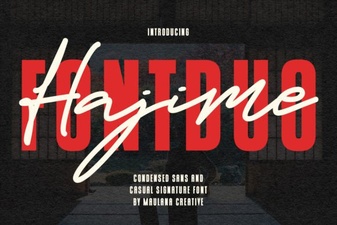 Hajime Font Duo for Modern Web Design Projects
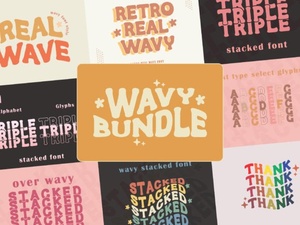 Design Ideas for a Wavy Stacked Font Style
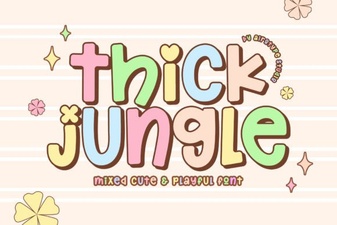 Fonts for Projects with Jungle-Themed Design
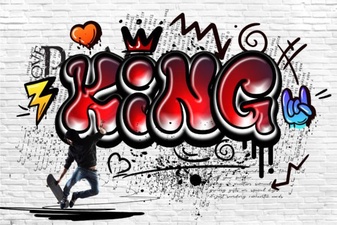 Designing with King Font: Typography Projects & Inspiration
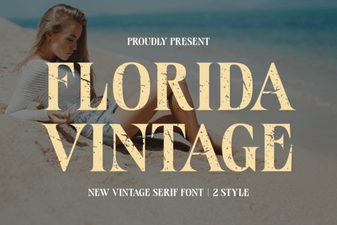 Vintage Florida Fonts for Your Creative Projects
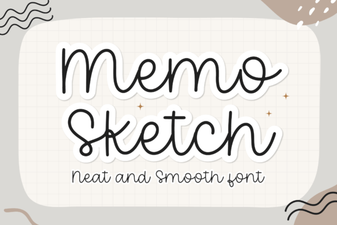 Memo Sketch Font for Creative Design Projects